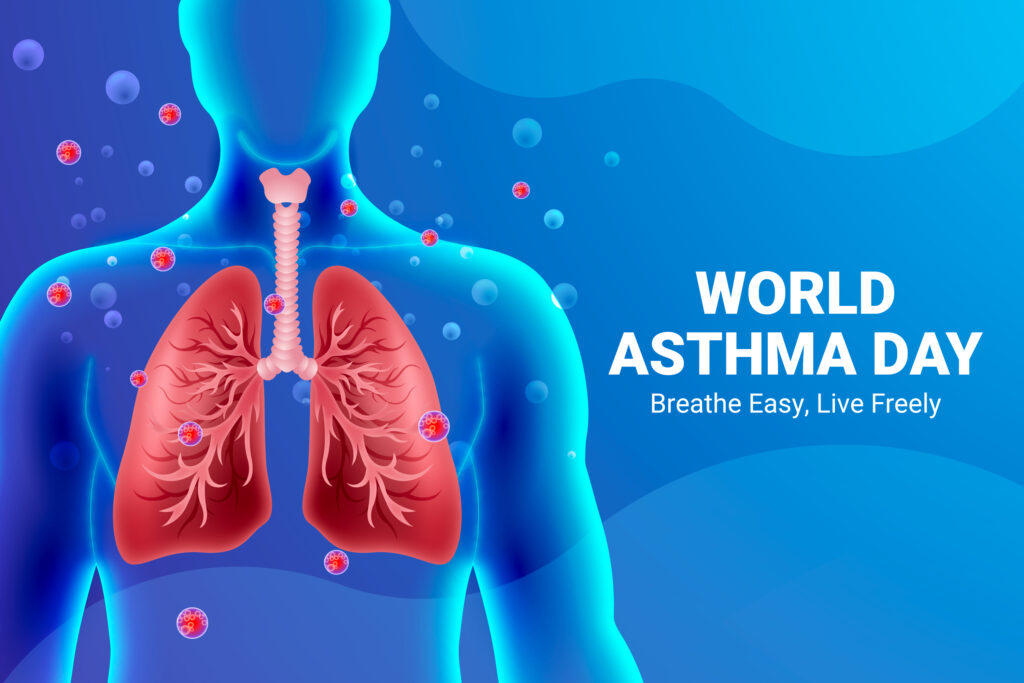
World Asthma Day 2026: Why Awareness, Early Diagnosis, and Proper Management Matter
May 5, 2026
Have you ever experienced a severe difficulty breathing or a wheezing cough? If yes, you may be suffering from asthma. Asthma is a chronic respiratory condition that is a major health concern worldwide. Studies have shown that nearly 35 million people in India suffer from this condition, making it one of the largest countries to bear the global asthma burden. World Asthma Day, therefore, is celebrated every year to raise awareness about the condition and educate people across the globe about its symptoms, triggers, and effective ways of management.
Let us take a closer look at what this observance truly means, its theme, and the role it plays in supporting individuals living with asthma. Let’s get started.
Why is World Asthma Day Celebrated?
It is given that all of us take breathing for granted; however, this cannot be said for those suffering from asthma, that is, nearly 250 million people worldwide. World Asthma Day is observed as a reminder for every individual to raise awareness about this chronic condition, understand its impact, and educate others about the measures through which it can be effectively managed.
World Asthma Day 2026 Date & Theme
World Asthma Day was started in 1998 by the Global Initiative for Asthma (GINA) with the sole aim of improving asthma awareness and care globally. Since then, the day is observed every year on the first Tuesday of May across the world. This year, the day falls on 5 May 2026, and the theme for it is “Access to anti-inflammatory inhalers for everyone with asthma, still an urgent need.”
The theme highlights the need to make asthma medications and inhalers accessible to all those suffering from the condition, regardless of their geographic location or economic background. It sheds light on the reality of millions of asthma patients worldwide, particularly those belonging to remote regions and lacking the basic healthcare facilities needed to manage asthma. By drawing attention to this global healthcare gap, the GINA encourages governments, healthcare organizations, and communities to work collectively toward ensuring that no one is denied the care they need to breathe easier and live better.
Symptoms and Triggers of Asthma
Asthma is a chronic condition that affects the airways, making it difficult to breathe. Furthermore, in some cases, individuals also experience asthma attacks that require urgent medical attention or could cause potential deaths. Therefore, knowing the common asthma symptoms and triggers is crucial for early detection, timely intervention, and effective management of the condition.
Asthma Symptoms
- Shortness of breath
- Wheezing cough
- Tightness in the chest
- Coughing at night
- Uneasiness or difficulty breathing after exercise
- Repeated cases of chest infections
Asthma Triggers
Similar to the symptoms, asthma triggers can vary from person to person. While some individuals may react strongly to allergens such as pollen and dust, others may find that physical activity, cold air, or stress triggers their symptoms. However, some of the major triggers include air pollution, pet hair, dust mites, smoke, weather changes, excessive exercise, stress, certain respiratory infections, and other pollutants.
While studies show that asthma is caused by a mix of both genetic and environmental factors, understanding and avoiding triggers is a crucial part of its effective management.
Asthma Management Tips
To date, there is no cure for asthma; however, the right treatment plan helps control symptoms and manage the condition effectively. In most cases, the healthcare provider makes a personalized treatment plan depending on the patient’s age, condition severity, and associated triggers. Nevertheless, here are some of the major management tips that are used by the majority worldwide.
- Asthma medications: These include inhalers, quick relief medications, and long-term medicines that are prescribed by a professional healthcare provider.
- Follow a healthy lifestyle: Consume a balanced diet, practice breathing exercises, and stay hydrated.
- Know and avoid your triggers: Be aware of your asthma triggers and limit exposure to them. Following simple steps like cleaning the bed, keeping windows closed during high pollution days, and staying away from cigarette smoke is highly beneficial.
- Manage stress: Stress and anxiety can trigger or worsen asthma symptoms. Managing stress through practices like yoga, mindful meditation, etc., can help reduce the chances of sudden asthma attacks.
- Visit your healthcare provider for any respiratory problems: Individuals with asthma are more likely to develop respiratory infections, which can further aggravate their condition. Therefore, seeking timely medical attention at the first sign of any respiratory issue is crucial.
How to Participate in World Asthma Day 2026
There are several ways through which people from all walks of life can be a part of the World Asthma Day 2026. Some of the ways include:
- Attending educational events on asthma awareness.
- Organize community outreach events in one’s own community.
- Educate those in and around you about asthma and its impact worldwide.
- Support patients suffering from asthma through donations, volunteering, or simply being a source of emotional support.
Conclusion
Asthma affects over 250 million individuals worldwide and causes over 4 lakh deaths every year,
many of which can be easily prevented. World Asthma Day invites each one of us to spread awareness and take proactive steps toward better understanding the condition and supporting those affected by it. Together, we can work toward a world where asthma no longer stands in the way of anyone living a healthy and fulfilling life.
FAQs
- Can asthma be cured permanently?
No, to date, there is no complete cure for asthma; however, with timely treatment and management tips, the condition can be effectively controlled.
- Are inhalers safe for long-term use?
Yes, inhalers are generally considered safe and are among the most effective treatment options prescribed by doctors for asthma.
- How can I prevent an asthma attack?
Practices like avoiding triggers, following the doctor’s instructions, and consuming prescribed medications regularly are key to preventing asthma attacks.