What Is Robotic Surgery? Benefits and Types
February 7, 2026
Since the beginning of medicinal science, surgical practices have undergone several changes and developments. Surgeries that once took 2–3 days can now be completed in just a couple of hours. Today, modern medicine and surgical approaches have evolved to such an extent that more and more surgeons use robotic or robot-assisted surgery. This form of surgery not only provides surgeons with additional assistance but also enables them to perform intricate and complex surgical procedures with enhanced precision.
It offers greater flexibility and control compared to traditional procedures. As a pioneer in emergency medical services and healthcare facilities, Zenplus closely follows and supports advancements in medical technology that contribute to better patient care and outcomes. Nonetheless, like any other surgical approach, robotic surgery also has its advantages and risks. Let’s take a closer look at what robotic surgery really is, its types, and the reasons why surgeons choose this approach.
What is Robotic Surgery?
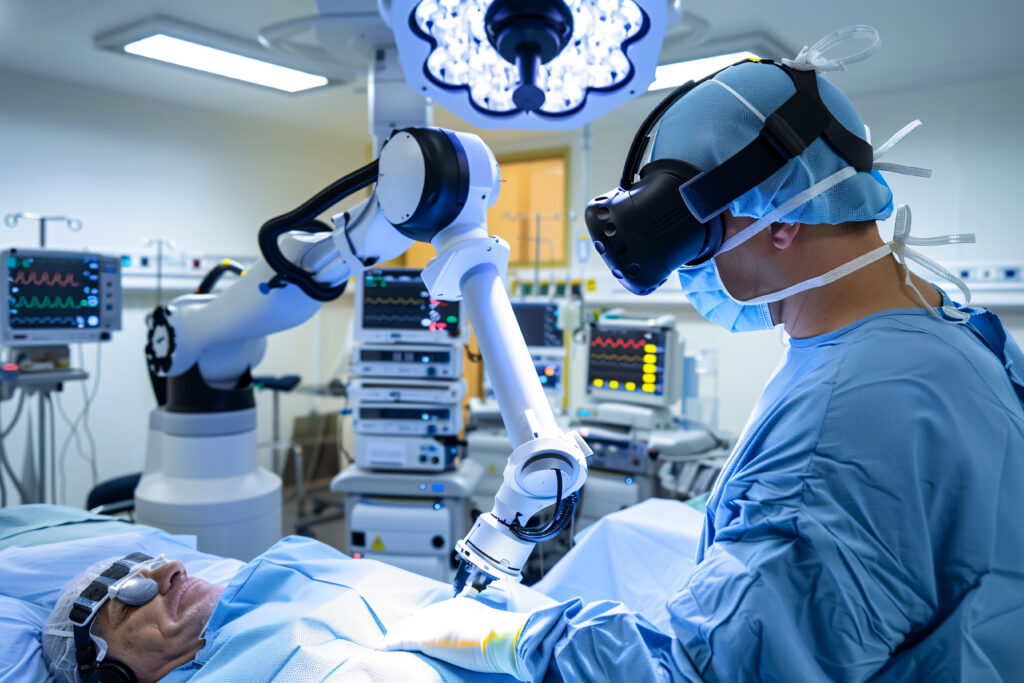
Robotic surgery, also known as robot-assisted surgery, is a modern and advanced surgical system that offers a more precise, intricate, and minimally invasive approach to surgeries compared to traditional surgical systems. It is performed with the help of robotic arms equipped with surgical tools and is fitted with a camera that provides the surgeon with a clearer and more accurate view of the surgical area.
Majorly used for minimally invasive surgeries, this approach enables surgeons to perform complex procedures with improved accuracy and control. The surgeon controls the robotic arm (the surgical instruments) and the camera through a computer console, which allows smoother and more precise access to difficult-to-reach areas. Overall, robotic surgery enhances surgical precision while maintaining better control and visualization throughout the procedure.
How Does Robotic Surgery Work?
Robotic surgeries involve the utilization of high-tech surgical systems, including advanced computers and machinery that aid in delivering unparalleled surgical precision. During the surgery, the surgeon works from a computer console, carefully guiding the robotic arms over the surgical field, making tiny incisions in the patient. As the robotic arms have the ability to move completely 360 degrees, they offer exceptional accuracy, surpassing the level of control available through traditional surgical procedures. Today, robotic surgeries are used for several medical conditions, including those affecting the heart, digestive system, bladder, and other essential parts of the body.
Types of Surgeries Performed Using Robotic Technology
Robot-assisted surgeries are now being used extensively in areas not only because of their extreme precision and control, but also because of their minimally invasive nature and overall improved surgical outcomes. Listed below are some of the major types of robotic surgery procedures that are performed by surgeons worldwide.
1. Cancer Surgery
Robotic technology is increasingly being used today in cancer surgeries worldwide, especially in cancers associated with organs like the lungs, kidneys, colon, and other parts of the body that require extreme precision. It helps remove tumours or clots by ensuring minimal invasion and protecting the healthy tissues around the affected region.
2. Urological Surgery
Apart from major urological surgeries like prostate surgery, robotic surgery is also used for other urological procedures such as kidney surgery, pyeloplasty, and bladder surgery. In such surgeries, precision is of high importance, as a simple mistake could affect the neighbouring tissues and organs, potentially leading to damage and serious medical complications. Robotic technology, therefore, enables surgeons to operate with greater accuracy, stability, and control.
3. Gynecological Procedures
Among the most common types of robotic surgery, gynecological procedures are widely performed using robotic technology. They are used to treat several gynecological conditions, such as uterine fibroids, endometriosis, ovarian cysts, and certain gynecologic cancers. Some of the common robotic gynecological surgeries include hysterectomy, myomectomy, and ovarian cystectomy.
4. Cardiovascular Surgery
Although it sounds scary, today, robotic surgery is being used for several cardiac conditions as well. Some of the common cardiovascular procedures include coronary artery bypass, atrial septal defect repair, cardiac tissue ablation, and cardiovascular tumour removal. These surgeries require exceptional precision and stability as they involve intricate structures and vital blood vessels. Robotic systems help surgeons operate with enhanced visualization and finer instrument control that support smaller incisions and faster recovery compared to traditional open-heart procedures.
5. Gastrointestinal Surgery
Several gastrointestinal surgeries, especially those involving the stomach, intestines, colon, rectum, liver, and pancreas, are performed today with robotic assistance. In some cases, robotic surgeries are also performed to treat gastrointestinal cancers. However, not all patients with GI cancers are fit for robotic surgeries. Factors like the severity of the cancer, its location, and the patient’s overall health condition play a huge role in deciding whether robotic-assisted surgery is a suitable approach or not.
Benefits of Robotic Surgery
As compared to traditional surgical approaches, robotic surgery offers several advantages, particularly in procedures that require extreme precision and control. Some of the major benefits of robotic surgery include:
- Enhanced Surgical Precision
- Faster Recovery
- Lowered Chances of Infections
- Minimally Invasive
- Reduced Blood Loss
- Improved Patient Outcomes
Is Robotic Surgery Safe? Risk Factors Associated with Robotic Surgery
Robotic surgeries are generally considered safe and highly effective when performed by trained surgeons using cutting-edge systems and technology. However, like all systems, robotic surgery also carries certain limitations and risk factors. Some of the top benefits of robotic surgery include the following:
- Higher Cost: Compared to conventional surgical procedures, robotic surgery is generally more expensive due to advanced technology and the use of specialized equipment.
- Availability of Robotic Systems: At present, most robotic systems are installed only in high-end private hospitals. Lack of availability across smaller hospitals and healthcare centers can restrict access for many patients.
- Surgeon Experience: Surgeons require additional training to develop specialized experience to operate robotic systems effectively and safely.
Conclusion
Medical science has experienced a true revolution over the past few years. From advanced robotic procedures to dependable ambulance service support, integrated healthcare systems today are better equipped to deliver timely and precise patient care. Such innovations not only enable patients to receive complex treatments more efficiently but also support quicker recovery and healing. With further improvement in modern medical and technological approaches, robotic surgery is likely to provide safer and more accessible treatments, becoming a widely adopted system across multiple specialties in the near future.
FAQs
- How is robotic surgery different from traditional surgery?
Robotic surgery differs from traditional surgery in the way the procedure is performed. Unlike traditional surgical procedures, where the surgeon performs the surgery directly on the patient, in robotic surgeries, the surgeon operates a computer console, guiding the robotic arms to perform the surgery with greater precision and care.
- Does the robot perform the surgery by itself?
No, in a robotic surgery, the surgeon controls the robotic arms through a computer console. The robot system does not act independently to perform the surgery.
- Who can undergo robotic surgery?
Not all procedures can be done with robotic assistance. However, the final decision of whether a patient is fit for robotic surgery depends on the treating surgeon. Factors that contribute to this decision include the patient’s condition, its severity, prior surgical history, and overall health status and well-being.