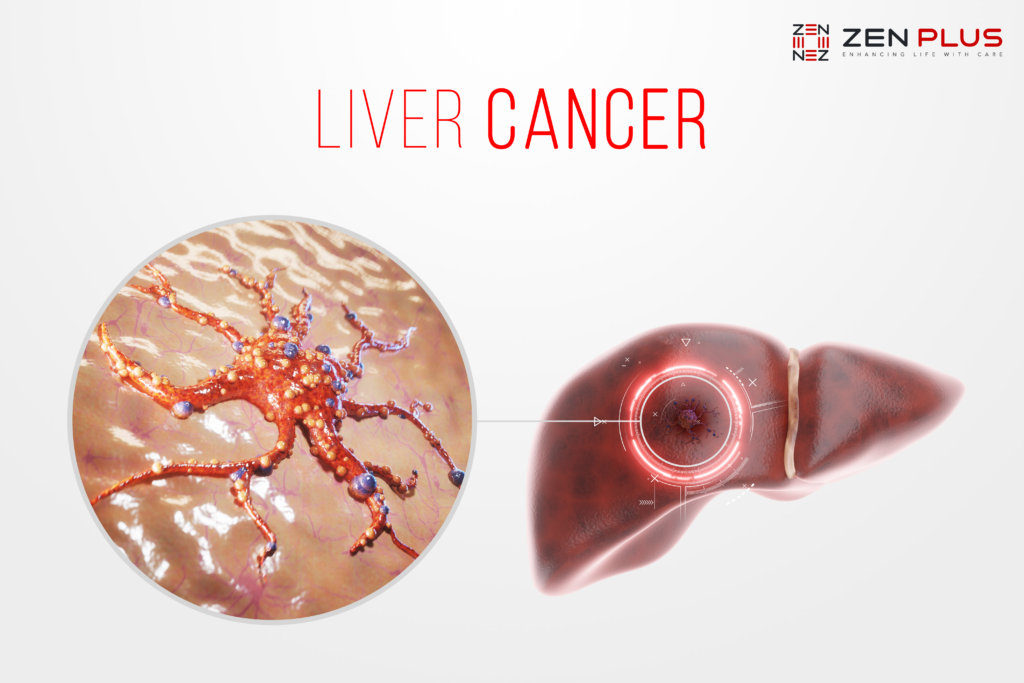
Knowing the Causes and Signs of Liver Cancer
January 8, 2025
Globally, India positions itself fourth in terms of new liver cancer cases emerging annually. This reveals the gravity of the disease, and in India, too, it remains a critical public health concern. Due to DNA mutations, the cells in the liver can grow uncontrollably, leading to the formation of a tumour. This leads to liver cancer. Many important functions, such as storing nutrients, purifying blood by removing wastes and worn-out cells, filtering chemicals, and producing bile to digest fats and eliminate waste products, are carried out by the liver, which is affected by liver cancer. Early detection of liver cancer can help catch the disease early on and treat it effectively; therefore, it is important to know and recognize when the disease starts to appear. In this blog, we will recognize the symptoms of liver cancer and some primary causes of liver cancer.
Common Symptoms of Liver Cancer
Unexplained Weight Loss: Sudden weight loss could be a symptom of liver cancer. When cancer cells in the liver develop suddenly, they consume a lot of energy, leading to weight loss.
Abdominal Pain and Swelling: Another one of the common symptoms of liver cancer is the feeling of being full even without consuming much food. There could be a visible tumour or protruding lump near the abdomen. Bloated feelings and swelling due to fluid buildup are common and can cause severe discomfort.
Loss of Appetite and Nausea: The next common but one of the advanced symptoms of liver cancer is loss of appetite. This could be due to multiple reasons, some of which are pressure building on the surrounding organs because of tumour growth, hormonal changes, dysfunction of the liver, or even emotional changes that could hinder a person’s normal appetite.
Fatigue: Due to extreme energy usage due to the rapid growth of cells in the liver, the buildup of toxins due to liver dysfunction can easily lead to extreme tiredness and fatigue.
Jaundice and Itchy Skin: Liver cancer can cause symptoms like jaundice and itchy skin. This is because liver cancer can disrupt proper liver functioning. Jaundice is caused by an excess of bilirubin in the blood, a yellow pigment produced during the breakdown of red blood cells. Normally, the liver processes bilirubin, but liver cancer can interfere with this function, leading to the yellowing of skin and eyes. Other symptoms of jaundice may include dark urine and pale stools. Excess bile salts in the bloodstream due to liver dysfunction may cause persistent and intense itching. This can be especially bothersome at night or in specific areas of the body.
Lumps or Pain in the Right Side: Due to the growth of the tumour, there could be pain from the pressure that the surrounding organs have to endure.
Primary Causes of Liver Cancer
- Chronic Viral Hepatitis: The two most prevalent causes of liver cancer worldwide are hepatitis B (HBV) and hepatitis C (HCV). These viruses can spread from mother to kid after childbirth, through unprotected sexual contact, or through blood. Chronic liver inflammation, fibrosis, and, ultimately, cirrhosis can be caused by either HBV or HCV. This ongoing harm raises the risk that liver cells will develop into cancer over time. HCV is especially dangerous since it frequently shows no symptoms for decades, enabling damage to go unnoticed. The risk of liver cancer linked to HBV and HCV infections is considerably decreased by effective immunization and antiviral therapy.
- Cirrhosis: The aggressive nature of liver cancer causes cirrhosis, which is the extensive scarring of the liver. This impairs the liver’s ability to function properly. This condition results from chronic liver diseases like hepatitis, alcohol abuse or liver disease like fatty liver. The growth and death of cells in the cirrhotic liver increase the risk of cancer.
- Alcohol Abuse: Excess alcohol consumption can lead to chronic liver damage. This can cause fibrosis and cirrhosis, which are conditions that can raise the risk of liver cancer. Alcohol also contributes to carcinogenesis by increasing oxidative stress and reducing the liver’s capacity to process toxic chemicals. The risk of cancer is increased exponentially for heavy drinkers when alcohol misuse is combined with other risk factors (such as smoking or hepatitis).
- Aflatoxin Exposure: The aspergillus fungi which grows on stored peanuts, corn and other grains can produce substances like aflatoxins. Improper food storage can give rise to these toxins in the regions where hot and humid climatic conditions prevail. Aflatoxins are known to damage the DNA in the liver cells. This can cause mutations that can lead to cancer. When people consume these foods, their chances of DNA damage through aflatoxins increase.
- Obesity and Type 2 Diabetes: Non-alcoholic fatty liver disease (NAFLD) and its more severe variant, non-alcoholic steatohepatitis (NASH), are exacerbated by obesity and type 2 diabetes. These disorders cause inflammation, cell damage, and the buildup of fat in the liver. Chronic damage raises the risk of liver cancer and encourages fibrosis. Liver cancer associated with non-alcoholic fatty liver disease (NAFLD) is becoming more common as obesity and diabetes rates rise globally.
- Smoking and Tobacco Use: Carcinogens in tobacco affect many organs, including the lungs, liver and other vital organs. Smokers carry a greater risk of getting liver cancer due to the increased oxidative stress and DNA damage in the liver. If a person who smokes also consumes alcohol or has chronic hepatitis, smoking can increase the chances of liver cancer all the more.
FAQs
- What are the symptoms of liver cancer?
Abdominal pain and swelling, unexplained weight loss, fatigue, jaundice, itchy skin, losing one’s appetite, and nausea and vomiting are some of the common symptoms of liver cancer.
- Who is at risk of developing liver cancer?
The risk factors for developing liver cancer are hepatitis B or C, alcohol abuse, obesity, fatty liver disease and some other genetic conditions. Those people exposed to aflatoxins, the ones who smoke, and those who have diabetes are others who are at risk. Conditions like diabetes are also one of the causes of liver cancer. Men of older age are usually at a greater risk than women. Thus, liver cancer also depends on family history.
- How is liver cancer diagnosed?
A review of medical history, physical examinations, and testing such as AFP blood tests, liver function tests, and imaging (ultrasound, CT, MRI) are all part of the diagnosis of liver cancer. Cancer is confirmed by biopsy. Other techniques, such PET scans or laparoscopy, aid in determining spread.