How to Identify Flat Feet Symptoms and Choose the Right Treatment
October 30, 2025
Did you know all kids are born with flat feet? Most of them develop an arch later as they grow and begin walking. However, in some cases, individuals never fully develop the arch, giving rise to a condition known as flat feet. While often harmless, flat feet can cause occasional pain, discomfort, and posture-related issues among adults. Therefore, knowing about its signs, symptoms, and treatment methods becomes highly crucial. In the blog below, we shall cover everything you need to know about flat feet, their symptoms, types, diagnoses, and treatment measures. Let’s begin!
What are Flat Feet?
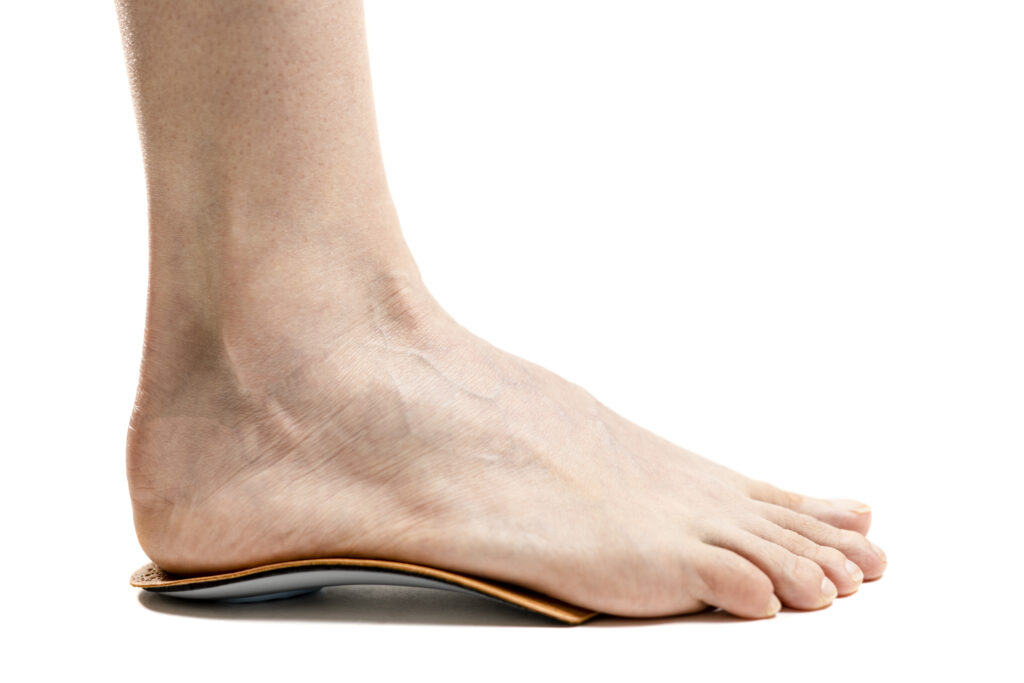
Pes Planus, more commonly known as flat feet or flat foot, is a condition in which the feet do not showcase a normal arch while standing or walking. The sole falls completely flat on the ground while the feet point outward. In some people, the arches never develop with age, while in others, they may fall flat due to factors such as an injury or medical condition. It is important to note that not all people with flat feet experience pain. In such cases, no treatment is required. However, if you’re having pain, discomfort, or are facing issues while walking, it is important to consult a doctor and get it checked.
Types of Flat Feet
Depending on the structure and the development of the condition, there are several types of flat feet. Healthcare providers often distinguish between mildly flat feet that do not cause any major issues to the actual condition, pes planus, that affects the overall foot structure and the talus bone. Listed below are the four main kinds of flat feet:
Flexible Flat Foot
Also considered one of the most common types of flat feet, this condition characterizes the presence of the normal foot arch while sitting or lying, which tends to disappear when weight is applied to it through activities such as walking or standing. For some, the condition may exist from childhood, while for others it could develop with age. Nevertheless, it may cause further complications due to swollen or stretched tendons and ligaments.
Rigid Flat Foot
This condition often develops during adolescence. Unlike the flexible flat feet, in this condition, the foot arch is completely absent, both while sitting and standing. It is mainly caused by the structural abnormalities in the bones. Individuals with this condition often experience pain, discomfort, and difficulty in flexing their feet, walking, or performing other physical activities.
Congenital Flat Foot
Some babies are born with this defect, which makes it impossible for their feet to develop the necessary arches. Children with this condition may experience issues with basic movements such as walking, running, and standing. Mild cases may improve with time; however, with severe deformities, treatment methodologies such as physiotherapy or orthotics may be required.
Acquired Flat Foot
As the name implies, the condition is not a birth defect but rather develops over time in adulthood, after already having developed normal foot arches. It can result from factors such as torn leg tendons, injuries, or other medical issues. The condition is often painful and can cause quite discomfort while performing daily activities such as walking and running.
Common Symptoms of Flat Feet
While the condition does affect the way you walk, not all individuals experience flat feet symptoms. However, it does lead to unnecessary stress and pressure on various parts of the leg that aren’t prepared to handle the burden. Some of the primary flat feet symptoms include the following:
- Leg cramps
- Foot pain upon walking, standing for too long, running, etc.
- Ankle pain
- Shin splints
- Lower leg pain
- Swelling along the inside of the ankle
- Tired or Fatigued Feet
- Overpronation
- Difficulty standing on tiptoes
People who have had flat feet for long periods of time may also experience pain in their hips, lower back, and knees. Additionally, such individuals also fall at a higher risk of developing secondary health problems like foot and ankle arthritis, strain injuries, and so on.
Diagnosis
Your orthopedist may perform a physical exam to get a better look at your feet and their structure to suspect flat feet. They may inquire about the symptoms and ask you to walk or stand on your toes to confirm the presence or absence of the foot arch. Furthermore, to gain a clearer understanding of your foot structure and the condition, doctors may also perform certain imaging tests, such as:
- X-rays: They help by providing a clear image of the bones, allowing your healthcare provider to assess proper foot alignment and the existence of the condition. It’s also useful in detecting arthritis.
- CT Scans: This test provides a much detailed view of the foot bones as compared to X-rays.
- Ultrasound: Doctors may recommend an ultrasound if they suspect a tendon injury. Ultrasounds provide detailed and accurate images of the soft tissues present in the body.
- MRI: It is used for an in-depth examination of the soft tissues and bones of the feet.
Treatment
Flat feet treatment isn’t necessary in cases where the condition does not cause any pain or discomfort to the individual. However, if you experience pain, your healthcare provider may recommend the following:
Non-Surgical Flat Feet Treatment Options
In cases where the pain is manageable and does not affect daily living, doctors recommend non-surgical flat feet treatment options like:
- Orthotics: Using orthotic insoles is highly beneficial for people with flat feet as it supports the foot arch and helps redistribute the pressure across the foot completely.
- Physiotherapy: It plays a major role in improving foot flexibility, strength, and alignment.
- Supportive Footwear: Custom-made or other supportive footwear helps reduce the strain on the foot.
- Exercise: Strengthening exercises, such as calf stretches, help release the pressure built up in the Achilles tendon.
- Weight Management: Studies have shown that excessive weight also has a significant impact on flat feet. Therefore, doctors may also recommend weight management measures to lessen the pain experienced in the feet.
These treatment methods often benefit most people; however, in cases where the pain is intense or the deformity seems to be worsening, flat feet surgery may be required.
Conclusion
While flat foot is a very common condition in India, many people to date are unaware of it. Living with flat feet can be either normal or painful, depending on how your body deals with it. Therefore, being aware of the condition and its symptoms is highly beneficial. Awareness is the first step toward a healthier and pain-free life.
FAQs
- Do I need surgery for flat feet?
If your flat feet do not cause you any pain or can be managed through non-surgical treatment methods, you do not require surgery. Nevertheless, in cases where the pain is severe and such treatment methods do not seem to work, surgery may be necessary.
- Can flat feet affect posture or balance?
Yes, flat feet can affect posture or balance, especially if they cause misalignment in the feet.
- How are flat feet diagnosed?
Flat feet are diagnosed through physical examination and a series of diagnostic tests such as X-rays, CT scans, and ultrasound.