Head & Neck Cancer: Causes & Treatment
April 23, 2026
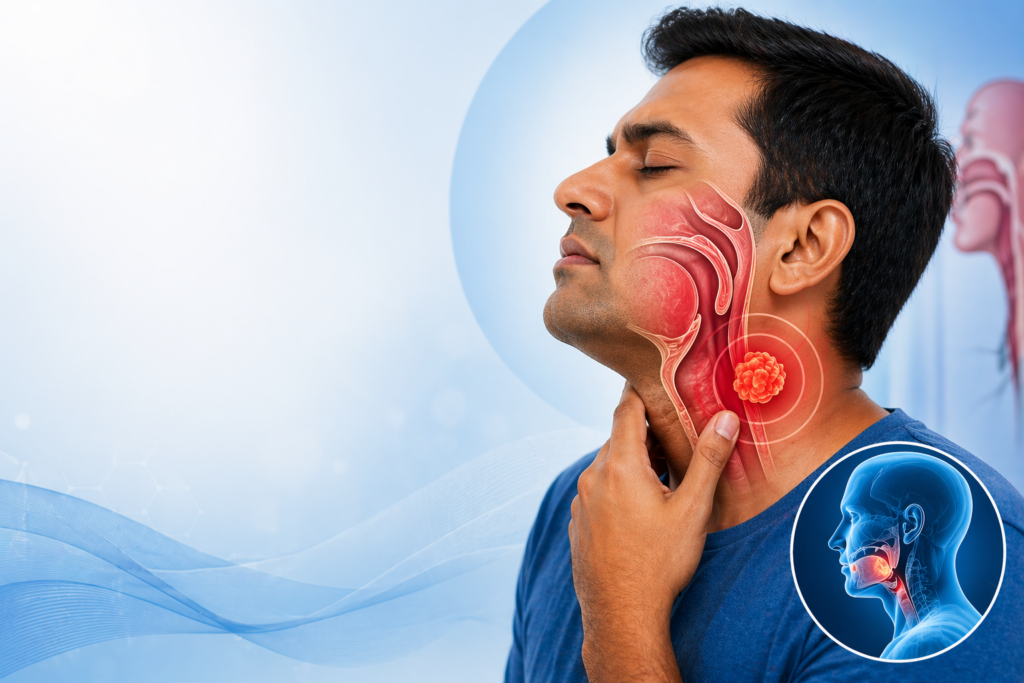
Head and neck cancers are cancers that typically originate in the mouth or the throat and slowly start to affect the overall healthy tissues of the body. It isn’t a diagnosis or a type of cancer, but rather a category of cancers that have certain features in common. One of the most common symptoms of head and neck cancers is a sore throat. People can reduce their risk of such cancers by avoiding tobacco, limiting alcohol consumption, using sun protection, and getting the HPV vaccine. Studies have shown that head and neck cancers are the 7th most common type of cancer worldwide, covering nearly 4.5% of all cancer cases. However, due to common symptoms like throat pain and mouth ulcers, people tend to mistake it for viral infections and illnesses. Therefore, knowing about these cancers, their causes, and treatment options is crucial to ensure early diagnosis and effective treatment.
What is Head and Neck Cancer?
Head and neck cancer is an umbrella term that is used to categorize cancers that develop in the throat, mouth, sinuses, nasal cavity, or salivary glands. Most of such cancers originate in the squamous cells that line the moist surfaces in these regions. Healthcare providers commonly classify them as head and neck squamous cell carcinoma (HNSCC). These cancers can also develop in other cells of these regions; however, they are less common.
Causes and Risk Factors of Head & Neck Cancer
Doctors to date aren’t aware of the exact causes of head and neck cancer; however, there are several risk factors that are known to increase the chances of developing it. Understanding and knowing these potential head and neck cancer causes is crucial to support early diagnosis.
1. Tobacco Use
Tobacco usage remains one of the strongest risk factors for head and neck cancers. It is linked to the development of oral cavity and laryngeal cancers. Other products like cigarettes, pipes, cigars, and smokeless tobacco are also known to cause damage to the cells present in the head and neck, increasing the risk of head and neck cancers.
2. Alcohol Consumption
Regular consumption of alcohol, particularly paired with tobacco use, can increase the risk of head and neck cancers. Alcohol tends to harm the inner lining of the mouth and the throat, making regular drinkers more prone to cancers in those regions.
3. Human Papillomavirus (HPV)
The HPV infection is one of the major causes of oropharyngeal cancers. It spreads through sexual contact as well as skin-to-skin genital contact. Studies show that certain strains of HPV are linked to the development of long-term cancers.
4. Oral Hygiene
Though often not taken seriously, people who lack oral hygiene are at a higher risk of developing head and neck cancers. Missing teeth, bleeding gums, ill-fitting dentures, etc., can contribute to irritation and inflammation, leading to an increased risk of mouth cancer.
5. Exposure to Harmful Substances
People working in harmful environments are more likely to develop cancers. Long-term exposure to carcinogens like wood dust, paint fumes, and certain industrial chemicals contributes significantly to cancer risk.
6. Weak Immune System
Individuals with a weakened immune system, either due to certain health conditions or genetic predisposition, are at a higher risk of developing head and neck cancer. When the body fails to detect and fight abnormal cell growth, it can allow cancerous changes to occur and progress quickly.
7. Age and Gender
Studies have found that head and neck cancers are more common in men than women. Additionally, individuals above the age of 50 are at a higher risk, as prolonged exposure to carcinogens increases their likelihood of developing cancer. Although not common, such cancer can also affect young individuals in their 30s.
Being aware of these head and neck cancer causes and risk factors is the first step towards early detection and timely intervention. It encourages individuals to adopt healthier lifestyles, undergo regular screenings, and seek immediate medical help for any symptoms or warning signs they may be experiencing.
Treatment Options for Head & Neck Cancer
The ideal head and neck cancer treatment plan for any individual depends on the type of cancer they are diagnosed with. Other factors like the location of the cancer, its progress, and overall severity also play a crucial role in determining a single appropriate treatment option. Some of the common head and neck cancer treatment methods used include:
- Surgery: This includes both open and minimally invasive surgeries, which may be performed to remove the tumor and a margin of the surrounding healthy tissue to ensure complete removal and reduce the risk of recurrence.
- Radiation Therapy: In this treatment method, the individual is laid flat on a table, and a radiation machine moves over their body. It directs high-energy beams to the cancer’s location, targeting and destroying harmful cells in the process.
- Chemotherapy: Chemotherapy uses strong medicines to beat cancer. Many times, this treatment method is used alongside radiation therapy. Studies have shown that chemotherapy helps radiation therapy work better.
- Targeted Therapy: In targeted therapy, strong medicines are used to attack and destroy specific chemicals in the cancer cells. It is often used in head and neck cancer when the harmful cells start to spread to other locations in the body.
- Immunotherapy: As the name suggests, immunotherapy helps the body’s immune system to identify, detect, and destroy cancerous cells in the body. The immune system fights cancer by attacking germs and harmful cells that should not be present in the body.
Conclusion
Cancers of any kind can cause significant physical and emotional distress. Head and neck cancer, in particular, can affect day-to-day functions like eating, talking, and breathing. However, studies have shown that a majority of head and neck cancers are treatable through surgery and other methods if diagnosed early. Therefore, awareness of their causes is crucial to ensure early detection and positive outcomes. Prioritizing regular checkups and seeking timely medical help is key to early diagnosis, effective treatment, and improved quality of life.
FAQs
- Who is at risk of developing Head & Neck Cancer?
Individuals who use tobacco and consume high amounts of alcohol are said to be at the highest risk of developing head and neck cancer. Additionally, those working or spending long periods of time in a harmful environment with exposure to several carcinogens are also more likely to develop head and neck cancers.
- Can Head & Neck Cancer be cured?
Yes, head and neck cancers are curable, particularly when detected early. Therefore, early diagnosis and timely treatment are crucial in improving outcomes.
- Is a lump in the neck always a sign of Head & Neck Cancer?
No, a lump in the neck is not always a sign of head and neck cancer. Most often, lumps in the neck can be caused by bacterial or viral infections. However, it is always best to get it checked by a doctor, especially if it persists for a long time or increases in size.