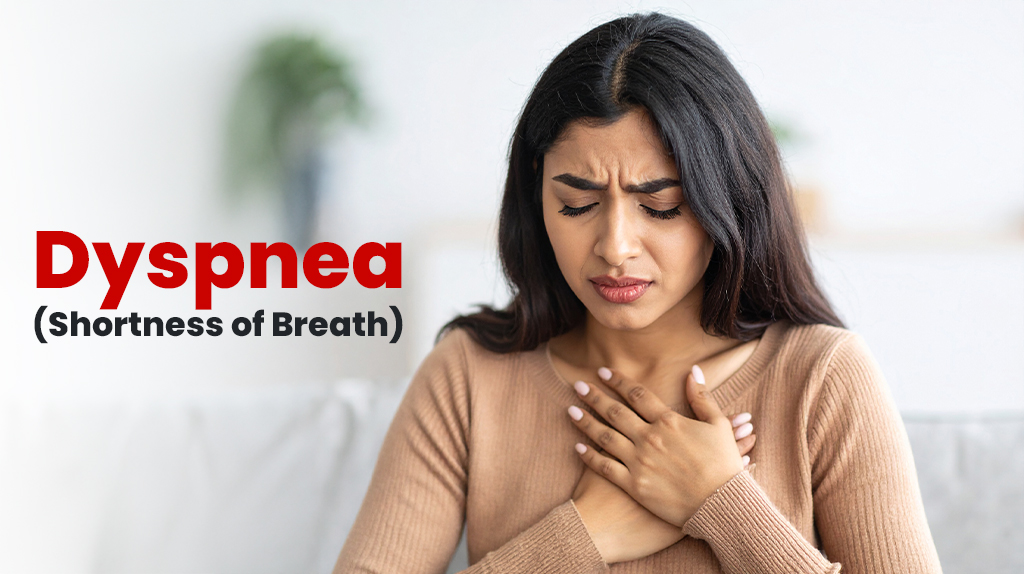
Dyspnea: Understanding the Causes and Treatments for Shortness of Breath
December 5, 2025
Have you felt a sudden tightness in your chest, a moment where no matter how deeply you breathe, it still isn’t enough? This alarming sensation is often the first sign of dyspnea. Dyspnea, also known as shortness of breath, is the medical term used to describe any form of difficult or laboured breathing. The condition can appear suddenly (acute) in people experiencing an asthma attack, allergic reaction, or a sudden cardiac event. Whereas, in some cases, it may persist for 4 to 8 weeks (chronic), and is often linked to long-term conditions such as anemia, COPD, and other cardiovascular illnesses. But if the symptom persists for long and is accompanied by chest pain, dizziness, or confusion, seek emergency medical help immediately. Reach out to Zenplus Private Limited for quick ambulance services and timely care. Prompt intervention can be life-saving in such conditions.
What is Dyspnea (Shortness of Breath)?
Dyspnea, often known as shortness of breath, is a term used by healthcare providers to describe feelings of breathing difficulty. Characterized by a certain tightness in the chest, feelings of air hunger, and a perception of insufficient airflow in the lungs, it is a subjective experience and is different for different individuals.
Dyspnea isn’t an illness or disease by itself, but rather a symptom of an underlying condition. It indicates a mismatch between the body’s breathing demands and the ability of the lungs to fulfill them. In contrast to normal breathlessness, dyspnea can occur even after moments of rest or other routine activities, indicating a need for immediate medical intervention.
| Feature | Normal Breathlessness | Dyspnea |
| Cause | Exercise or extreme physical activity | Heart, lung, or other underlying medical conditions. |
| Occurence | During or after the activity | Can occur anytime, even after rest |
| Duration | Few minutes (disappears upon resting) | Lasts from minutes to hours (acute), may persist for weeks or months (chronic) |
| Other Symptoms | Usually none | Tightness in the chest, air hungry, fatigue, bluish lips, etc. |
| Medical Attention | Not needed usually | Requires evaluation to identify the underlying condition. Immediate medical help may be needed in severe cases |
What Causes Shortness of Breath (Dyspnea)?
There are several reasons that can cause shortness of breath; however, dyspnea is usually associated with health conditions. Some of the common causes of dyspnea include the following:
- Pulmonary (Lung) Diseases: These are the most common causes of dyspnea. They include illnesses like Chronic Obstructive Pulmonary Disorder (COPD), asthma, pneumonia, pulmonary embolism, bronchitis, and lung cancer.
- Heart Conditions: When the heart fails to pump blood effectively, it leads to a lack of oxygen supply throughout the body. Some of the common heart disorders that can cause dyspnea include heart failure, heart attack, coronary artery disease, etc.
- Anemia: Lowered blood count in the body affects the cells’ oxygen-carrying capacity, causing shortness of breath and tiredness.
- Anxiety/Panic Disorders: Emotional stress or triggers can contribute to experiencing air hunger or a certain tightness in the chest.
- Other Lifestyle Factors: Environmental triggers or ill habits such as smoking, overexposure to secondhand smoke, can cause dyspnea as well.
People with terminal illness may also suffer from dyspnea, making it crucial to get evaluated on time. If dyspnea persists for over a month, it is known as chronic dyspnea.
What are the Signs and Symptoms of Dyspnea?
No two persons can experience dyspnea the same way. The symptoms vary from individual to individual. Some of the common dyspnea symptoms include:
- Tightness in the chest
- Shallow breathing
- Heart palpitation
- Wheezing
- Dizziness
- Coughing
In certain cases, the symptoms get better or worsen based on the position the body is in. For example, people suffering from any heart or lung diseases may experience severe shortness of breath when lying down.
Types of Dyspnea
| Features | Acute Dyspnea | Chronic Dyspnea |
| Definition | Sudden episode of intense shortness of breath and requires immediate medical intervention. | Persistent shortness of breath that occurs over time and lasts for weeks or months. |
| Causes | Asthma, allergic reactions, heart attack, etc. | COPD, respiratory or lung diseases, heart failure, or anemia. |
|
Occurrence & Duration |
Occurs suddenly and can stay for a couple minutes to hours. | Develops and worsens over time, and may last from some weeks to months. |
Apart from these two major types of dyspnea, there’s also Paroxysmal Nocturnal Dyspnea (PND) that occurs during the night or early morning hours, waking the individual up abruptly, and Sighing Dyspnea, in which the person experiences frequent sighing in order to relieve the feeling of shortness of breath.
How Is Dyspnea Treated?
Dyspnea treatment depends solely on the cause and the severity of the condition. Since shortness of breath is mainly a symptom and not a health issue, healthcare providers focus on identifying the underlying condition and its triggers to curate a proper treatment plan. In most cases, treatment methods include medications, breathing exercises, and certain lifestyle changes. If the symptoms tend to worsen or persist for long, it’s important to seek emergency help or call a reliable ambulance service for immediate medical support.
Listed below are some of the most common and effective treatments of dyspnea, followed by healthcare providers.
1. Oxygen Therapy
Individuals with lowered oxygen levels or severe dyspnea may be provided with oxygen therapy to help restore normal breathing and reduce the strain on the heart and lungs.
2. Medications
Depending on the medical condition causing dyspnea, doctors may prescribe medications to manage it and open airways to improve breathing.
3. Breathing Exercises
Simple breathing techniques, such as deep controlled breathing, may be taught to manage acute dyspnea effectively.
4. Lifestyle Changes
Apart from treating the underlying medical condition, doctors may also recommend lifestyle modifications such as staying away from smoke, performing regular exercises, ensuring proper hydration, and getting regular health checkups.
Conclusion
Dyspnea can range from mild discomfort to a serious emergency; therefore, it is crucial to be aware of its causes, symptoms, and treatment methods to ensure timely intervention and care. When triggered by severe health conditions such as heart failure, asthma attack, or COPD, dyspnea can be intense and may escalate rapidly. In such cases, seeking emergency medical services is crucial. Reach out to Zenplus and access rapid ambulance services and ensure timely medical interventions when they’re needed most.
FAQs
- Is “Shortness of Breath” the same as “Dyspnea”?
Yes, shortness of breath and dyspnea mean the same thing. While “dyspnea” is the medical term used by healthcare providers to describe the feeling of laboured or difficult breathing, “shortness of breath” is a common everyday phrase used by people for the same symptom.
- What is the main cause of dyspnea?
Heart, lung, and respiratory illnesses are some of the main causes of dyspnea. However, other factors such as physical exertion, anemia, anxiety, and certain lifestyle factors can contribute to the occurrence of dyspnea.
- How is Dyspnea treated?
Treatments of dyspnea revolve around managing the underlying condition causing it. Some of the common treatment methods include oxygen therapy, breathing exercises, medications, and lifestyle modifications.
- When should I seek emergency medical help for shortness of breath?
You should seek emergency medical help if you experience sudden shortness of breath accompanied by other symptoms such as dizziness, confusion, fatigue, chest pain, and wheezing.