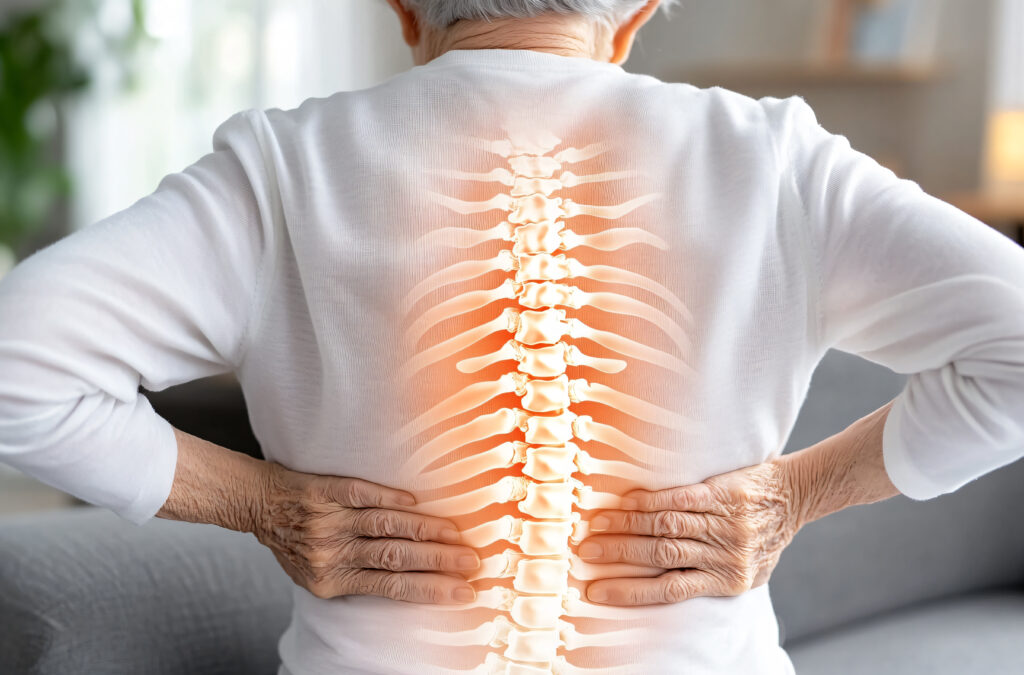
Degenerative Spine Disease: Symptoms & Treatment
April 13, 2026
Do you experience frequent backache, neck pain, or constant numbness and weakness in the spinal area? These signs, though common, could indicate certain severe conditions, especially if experienced on a regular basis. Degenerative Spine Disease is a common term used to describe age-related wear and tear of the spinal structures. With increasing age, the spinal discs that cushion our vertebrae start to lose water and become less flexible, giving rise to stiffness, pain, and overall numbing sensations.
According to a fairly recent study, it was found that an approximate 3.63% of the global population suffers from this condition, making it a common yet often under-recognized health condition. While there’s no denying that the term “disease” often makes us uncomfortable or restless, degenerative spine disease is more of a normal aging factor that may or may not affect every human being. Therefore, understanding its symptoms, causes, treatment options, and ways to slow the progression can be highly beneficial. Early recognition and interventions are key to protecting your spinal health and maintaining an overall better quality of life. Let’s begin!
What is Degenerative Spine Disease?
Degenerative Spine Disease (DSD) or Degenerative Spine Condition refers to the gradual loss of structure and functioning of the spine. Unlike traditional diseases and illnesses, DSD is a common and natural consequence of aging that may or may not affect every human being. It is characterized by changes in the intervertebral discs, ligaments, cushions between the vertebrae, and facet joints. With increasing age, these structures start to wear out and lose their ability to absorb shock and ensure smooth functioning. Furthermore, this condition can occur in any region of the spine, including the neck, mid-back, and lumbar spine. Studies have shown that a large percentage of people suffering from DSD experience pain in the lumbar spine (also known as lumbar degeneration), as this region bears the most stress from daily activities.
Degenerative Spine Disease Symptoms
Symptoms of degenerative spine disease vary depending on the type or the specific condition affecting the spine. Furthermore, they may also differ from person to person, as not all individuals may perform the same type of physical activities or age in the same manner. Nevertheless, here are some of the early signs and symptoms you must look out for:
- Chronic Back Pain: Frequent or persistent ache in the lower, mid, or neck region of the spine that worsens with movement or any physical activity could indicate degenerative spine disease.
- Morning Stiffness: Due to the water loss in the vertebrae, individuals may experience reduced flexibility and stiffness, especially right after waking up.
- Neck Pain: Continuous discomfort and pain in the neck, which often gets worse after prolonged hours of standing or sitting, is also a common symptom of DSD.
- Radiating Pain: Unlike common spinal conditions, in cases of DSD, some people may experience intense pain that may travel to the arms and legs, often indicating nerve compression.
- Numbness: A tingling sensation, also known as a pins and needles sensation, may also be experienced in case of nerve compression.
- Reduced Range of Motion: Overall fatigue and weakness may be prevalent. Individuals may find it difficult to perform day-to-day activities like walking, bending, or lifting.
Causes of Degenerative Spine Disease
Although aging is considered to be the leading and most common cause of degenerative spine disease, there are several other factors that contribute to the development of the condition. Some of the top degenerative spine disease causes include the following:
- Disc Degeneration: When spinal discs shrink and dry out over time, they lose their ability to cushion the vertebrae, resulting in degenerative spinal condition.
- Poor Posture: While a majority of people take having poor posture lightly, over time, it can place excessive strain on the spine, especially the lumbar spine, leading to severe spinal conditions.
- Obesity: Excess body weight puts strain on the spine, making you more susceptible to back-related conditions.
- Spinal Injury or Trauma: Previous injuries or trauma to the back make individuals vulnerable to further spinal complications.
- Genetic Factors: Family history also plays a crucial role in degenerative disease. Some individuals are more prone to degeneration due to heredity.
Degenerative Spine Disease Treatment Options
The right degenerative spine disease treatment for any individual depends on the type of condition they’re suffering from and its severity. Common treatment options include surgeries as well as non-surgical methods like lifestyle changes and physical therapy. Listed below are some of the commonly preferred and recommended non-surgical degenerative spine disease treatment options:
- Medications: Doctors may prescribe painkillers to help reduce pain and swelling.
- Core Strengthening: Focused exercises that help reduce stress in the back and abdominal muscles are also recommended.
- Posture Correction: As mentioned above, poor posture is a contributing factor to degenerative spine disease, and therefore, improving posture is highly beneficial.
- Epidural Steroid Injections: In case of impacted nerves and inflammation, these injections may be provided by your healthcare provider.
- Lifestyle Changes: Simple changes in your workplace setting for better posture, avoiding prolonged sitting, and regular heat and cold therapy help in stress reduction.
Conclusion
Degenerative Spine Disease isn’t a new condition, but rather one that has been prevalent for ages and continues to affect people across the world. While it is considered to be a normal part of aging, being aware of the common degenerative spine disease symptoms, causes, and treatment approaches helps you take proactive steps towards spinal health and overall well-being. With timely intervention and the right lifestyle choices, its progression can be managed effectively, allowing individuals to maintain mobility, reduce discomfort, and lead a healthier, more active life.
FAQs
- What is Degenerative Spine Disease?
Degenerative Spine Disease is a common term used to describe spinal conditions that often develop with age, affecting the structure and function of the spine. It is characterized by loss of water in the cushions between the vertebrae and other changes in the intervertebral discs, ligaments, and facet joints of the spine.
- What are the common symptoms of Degenerative Spine Disease?
Common symptoms of degenerative spine disease include chronic back or neck pain, morning stiffness, radiating pain, numbness and weakness in the arms and legs, difficulty walking, and a reduction in the range of motion.
- How is Degenerative Spine Disease diagnosed?
Doctors often diagnose Degenerative Spine Disease by going through the patient’s medical history, conducting physical examinations, and other imaging tests such as X-rays, MRI, or CT scans that help assess changes in the spine.