Bone Cancer: Causes, Symptoms, and Treatment Options
November 24, 2025
Do you experience persistent bone pain? Or swelling that doesn’t seem to go away. These signs could indicate the presence of bone cancer. While such cancers can affect any bone in the body, it is primarily known to affect long bones such as the arms or the legs. Knowing about its signs, symptoms, types, and treatment options is highly crucial for early detection and intervention. At Zenplus Private Limited, we understand the importance of timely medical assistance and stand on the belief that awareness and knowledge can make a lifesaving difference. In the blog below, we will take a closer look at bone cancer and provide insights to help you stay informed and protect your health at all times.
What is Bone Cancer?
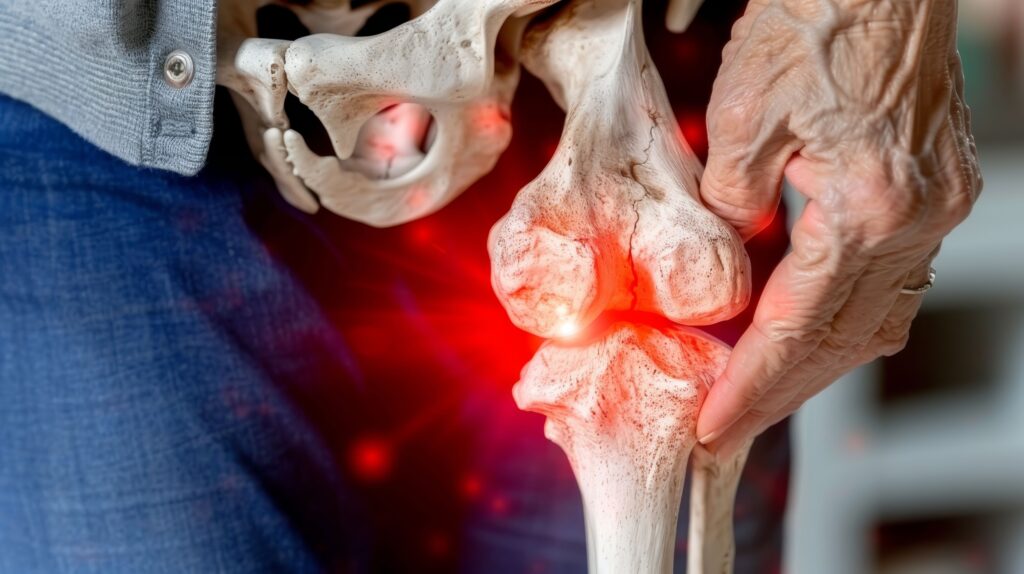
Similar to other cancers, in bone cancer, there is an abnormal growth of cells within the bones. It can start in any bone, but is often seen to affect the thigh bone. While the condition is quite rare, it can have a major impact on an individual’s life due to the kind of issues it causes. There is a common misconception that in bone cancer, the cancer starts at a certain place in the body and later spreads to the bones, while in reality, the name itself states that the cancer begins directly at a bone and then proceeds to spread to other bones of the body. Its symptoms range from mild pain in the affected area to swelling and being unable to move.
Symptoms of Bone Cancer
The primary symptoms of bone cancer are the pain experienced in the bones and joints of the body. Research shows that the pain often worsens during night hours. Other symptoms may include the following:
- Swelling: You may notice slight swelling or a lump-like feeling near a bone. This could indicate the presence of a tumour. In some cases, the swelling may appear a few days after the onset of pain, causing stiffness and discomfort in the joints.
- Bone Weakness: In bone cancer, the bones tend to weaken, which increases the chances of fractures and bone injuries.
- Tenderness: In addition to the swelling, there is also tenderness in the bones.
- Fatigue: All cancers drain the life out of an individual. Irrespective of the amount of rest you may have taken, fatigue and weakness are persistent.
- Unexpected Weight Loss: Most people with bone cancer experience a sudden weight loss without changing their diet or lifestyle habits. Such a sudden loss of weight must not be ignored, as it could indicate underlying medical conditions.
- Lack of Mobility: Tumours and swelling in the joints can affect mobility, causing extreme pain and weakness.
Types of Bone Cancer
Broadly speaking, there are two main types of bone cancers: primary and secondary bone cancer. Primary bone cancer is the cancer that originates in the bone itself, whereas secondary bone cancers are those that start at another place in the body and then spread to the bone. Some of the major primary types of bone cancers include the following:
Osteosarcoma: It is a form of bone cancer that arises from the cells responsible for the formation of new bone tissue. It often affects the extremities of large bones, such as the arms and the legs. Studies have shown that osteosarcoma is more prevalent among young adults and teenagers.
Chondrosarcoma: This cancer starts in the bones, mainly in the cartilages and soft tissues of the body. It is commonly seen in the hip, shoulder, and pelvis. Lastly, unlike osteosarcoma, this form of bone cancer is more prevalent among adults than younger individuals.
Ewing Sarcoma: Mostly affecting children and teenagers, Ewing Sarcoma is a type of cancer that manifests itself through tumours within the bones or soft tissues surrounding the bones. It commonly affects areas such as the shoulder blades, legs or the hips.
Apart from these, some of the commonly known secondary bone cancers include breast cancer, lung cancer, and prostate cancer. These cancers originate at a specific place in the body and metastasise to the bones, leading to bone cancer.
Diagnosis
As mentioned earlier, bone cancer is a rare condition and, therefore, its diagnosis isn’t a simple process. A series of tests and evaluations needs to be performed to confirm the presence of cancerous cells within the bones. Some of the commonly used diagnostic methods include:
Doctor Consultation and Physical Examination
Doctors often enquire about your symptoms, potential risk factors, and even conduct general physical examinations to identify any lumps in the bones.
Diagnostic Imaging Tests
X-rays, CT scans, MRI, PET, and bone scans may also be performed if recommended by your healthcare provider. These scans help identify the presence of cancerous cells or tumours within the bones. They help locate any abnormalities which may otherwise go unnoticed. Through such tests, doctors get a clear image of the condition, its severity, and its nature, thereby helping them create an accurate treatment plan for quick recovery.
Blood Test
While this test does not directly help diagnose bone cancer, certain insights provided by it help indicate the presence of a tumour within the bones.
Biopsy
A biopsy is often performed to confirm the presence of cancer in the body. In this method, a tissue sample from the affected area is taken and studied under the microscope to look for the presence of cancerous cells.
In emergencies or in situations where symptoms become severe, having access to a quick and reliable ambulance service is highly crucial. It ensures you receive timely medical attention and swift transfer to quality healthcare facilities for diagnosis and treatment.
Treatment Options for Bone Cancer
Bone cancer treatment methods vary based on the type of bone cancer and the symptoms experienced by an individual. Depending on the severity of the condition, healthcare providers may suggest treatment options such as surgery, radiation therapy, chemotherapy, or targeted therapy. When symptoms progress rapidly, prompt hospital admission is highly crucial. Looking up an ambulance near me can help you find immediate medical support and begin treatment on time.
Conclusion
Bone cancer, though uncommon, can affect an individual to a great extent. Therefore, being aware of its types, symptoms, and treatment options is crucial for early interventions and care. Furthermore, even after successful treatment, it is essential to ensure regular monitoring, follow-up care, and adequate rest for complete recovery. Remember, cancer of any form can be life-threatening, but timely care and awareness can make all the difference in saving lives.
FAQs
- What are the types of bone cancer?
Bone cancers are primarily divided into two types: primary and secondary. Primary bone cancers include osteosarcoma, chondrosarcoma, and Ewing sarcoma, whereas secondary bone cancers consist of those cancers that originate at a different location in the body and metastasise to the bones. These include breast cancer, lung cancer, etc.
- Can bone cancer spread to other parts of the body?
Yes, bone cancer spreads to other parts of the body, mainly in the later advanced stages of the cancer. This process of spreading is called metastasis.
- What is the survival rate for bone cancer?
Factors such as the type of bone cancer, its severity, the age of the affected individual, and the stage of diagnosis play a crucial role in determining the survival rate. However, roughly 70% of affected individuals survive with early diagnosis and timely treatment.