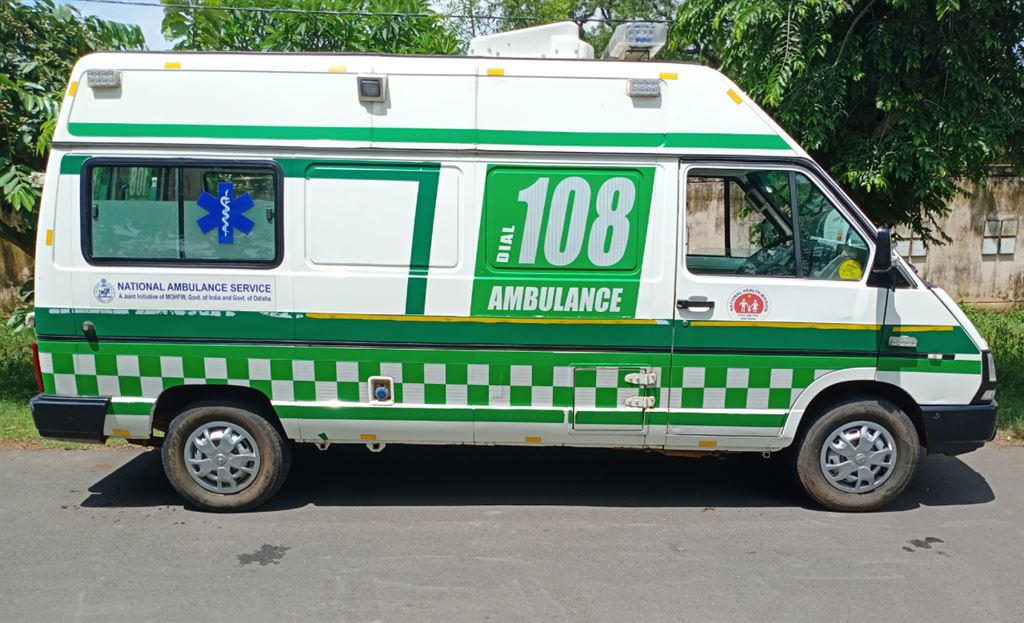
Beyond the Siren: Understanding Modern Ambulance
December 24, 2025
Have you ever witnessed a medical emergency? In those moments, even a minute’s delay can cost a life. This is where rapid and reliable ambulance services come into the picture. Beyond the sirens and flashing lights, modern-day ambulances are equipped to deliver immediate medical care, stabilise patients, and ensure a safe and smooth transfer. Staffed with expert medical professionals and advanced equipment, ambulances act as a lifeline between critical moments and timely medical attention. In this blog, we will take a closer look at how modern ambulance services work, their different types, and why choosing the right emergency service can make all the difference when every second counts. Let’s get started!
The Golden Hour and Pre-Hospital Care
In medical emergencies, the first 60 minutes after a crisis or an injury are considered as most critical. Often referred to as the golden hour, this period plays a decisive role in determining a patient’s survival chances. Prompt medical attention and care help reduce complications and improve outcomes. However, it is important to note that the term doesn’t necessarily mean exactly 60 minutes; it rather emphasises the need to act swiftly during emergency situations. Research points out that patients who have received critical care within this hour have shown higher chances of survival and recovery compared to those who’ve experienced delays.
What is the Role of Ambulance During the Golden Hour
During the golden hour, ambulance services serve as the first point of professional medical intervention. Trained emergency medical technicians and paramedics provide immediate, life-saving care on site and continued treatment during the hospital transit. They play a crucial role in improving survival chances and ensuring patient safety during critical situations.
They are trained to:
- Rapidly Assess the Situation – Evaluate patient condition through timely assessment, monitoring vital signs, and identifying injuries and symptoms that may require immediate medical intervention.
- Stabilise Patient – Manage external bleeding, provide oxygen support, immobilise fractures, assist ventilator usage, etc., to ensure the patient is in a stable state before transit.
- Initiate Advanced Care – In cases where the patient’s condition is severe, ambulance personnel are trained to initiate emergency interventions such as CPR, defibrillation, and advanced airway management.
- Ensure Smooth and Swift Transportation – Communicate with healthcare facilities and facilitate a rapid and secure medical transfer, avoiding unnecessary delays.
Although challenges like traffic, long distances, and infrastructure limitations can act as barriers, modern-day ambulances and emergency medical services go above and beyond their duty to save lives when seconds count.
Types of Ambulance Services
In today’s day and age, ambulance services are no longer limited to basic patient transportation. Modern emergency medical services are designed to cater to a variety of emergencies such as accidents, trauma cases, cardiac situations, etc. From scheduled hospital transfers to critical situations, there are different types of ambulance services ready 24/7 to ensure patients receive the right medical care based on their emergency. Listed below are some of the known types of ambulance services in India.
Basic Life Support (BLS) Ambulance
These ambulances are ideal for non-critical cases like scheduled transfers, hospital-to-home transfers, and non-emergency medical situations. They are equipped with essential life-saving gadgets and are staffed by expert emergency medical technicians trained to provide basic medical care and monitoring.
Advanced Life Support (ALS) Ambulance
Advanced Life Support (ALS) ambulances are commonly used for critical life-threatening situations. They are staffed with professionals, paramedics and EMTs who are qualified to provide advanced medical interventions whenever necessary. Equipped with advanced tools like a ventilator, defibrillator, and oxygen cylinders, these units are designed to provide life-saving care and support throughout the transit.
Critical Care Unit (CCU) / ICU Ambulance
These units are built for patients who require continuous advanced monitoring, such as those suffering from terminal illnesses or severe accident victims. These ambulances function as mobile intensive care units providing uninterrupted life support and critical medical care throughout the journey.
Air Ambulance
Air ambulances help deliver timely care and rapid transportation for patients over long distances. These services are crucial when ground ambulance travel doesn’t seem feasible or may cause delays. Equipped with advanced life-support equipment, these aircraft are designed to deliver prompt response, ongoing care, and swift transfers.
Train Ambulance
Similar to air ambulances, some patients prefer train ambulances for long-distance medical transfers. These ambulances are designed to provide continuous medical care over extended distances while ensuring patient comfort and safety. They are often used for inter-city patient transfers, post-surgical transfers, and stable critical medical cases that require continuous monitoring.
Hearse Ambulance
Commonly referred to as mortuary vans, hearse ambulances are designed to provide a dignified farewell to the deceased. They are equipped with specialised tools and fittings such as body stretchers and temperature-controlled compartments to ensure safe and hygienic transportation.
Ambulances and Emergency Medical Services
Ambulances are a major component of Emergency Medical Services (EMS). They not only provide rapid transportation but also deliver critical pre-hospital care during emergencies. Acting as a link between emergencies and hospitals, they help protect public health and strengthen the overall healthcare system worldwide. Furthermore, as part of a well-coordinated EMS system, ambulance services work with emergency call centres, trained medical personnel, hospitals, and support agencies, delivering timely medical care wherever needed. They’re not just medical transport vehicles; they’re a lifeline for all your emergencies.
Conclusion
As emergencies come unannounced, ambulances stand at the forefront of emergency services, delivering life-saving care and saving countless lives. As India’s trusted provider, we, at Zenplus Private Limited, strive our best to deliver timely, reliable, and professional ambulance services whenever needed. With our advanced fleet, highly skilled medical personnel, and commitment to patient safety, we ensure that help reaches you quickly and efficiently, making a real difference in critical moments. Because when seconds count, Zenplus is always ready!
FAQs
- What is the difference between BLS and ALS?
Basic Life Support (BLS) ambulances are designed for non-critical situations like scheduled medical transfers, whereas Advanced Life Support (ALS) ambulances are used for emergency cases like accidents, cardiac arrests, etc.
- What types of ambulance services are available?
There are various types of ambulance services available in India, catering to a variety of medical emergencies. Some of the commonly known types include Basic Life Support (BLS) ambulance, Advanced Life Support (ALS) ambulance, critical care units, air ambulance, train ambulance, and mortuary vans.
- What medical equipment is available inside an ambulance?
Medical equipment found within an ambulance depends on the type of ambulance. However, some of the common equipment includes stretchers, oxygen cylinders, defibrillators, patient monitors, BP machines, suction devices, and basic first aid kits.