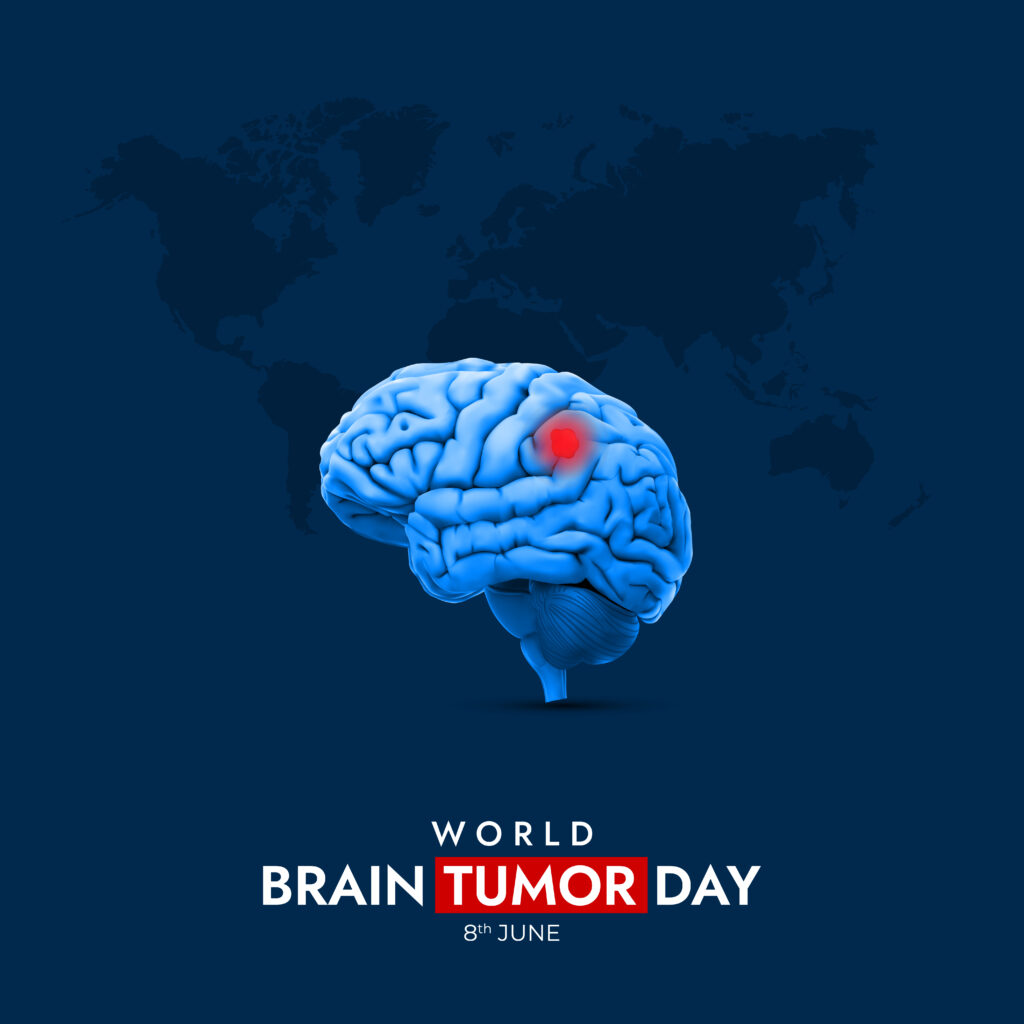
World Brain Tumour Day 2026: Why Early Detection Matters
June 8, 2026
Brain tumours are said to be one of the most challenging and fatal cancers in modern medicine. A simple diagnosis can alter someone’s entire life by presenting them with queries and medical decisions that can be highly overwhelming. While the challenges are many, early detection and timely interventions can improve outcomes and increase the patient’s survival rates. Therefore, knowing the warning signs, symptoms, treatment options, and preventive measures against brain tumour risks is crucial.
World Brain Tumour Day is observed every year on the 8th of June to draw attention to the growing impact of brain tumours and the need for awareness and early diagnosis. Founded in the early 2000s, the World Brain Tumour Day serves as an international initiative, bringing together healthcare workers and governments with a single mission to educate people, spread awareness, and support patients diagnosed with brain tumours. This article covers the history and the theme of World Brain Tumour Day 2026, along with the symptoms, treatment options, and practices that can be followed to reduce the risks of developing brain tumours.
History of World Brain Tumour Day
The originating story of the World Brain Tumour Day dates back to the late 90s when scientists and neurologists in Germany wished to bring to attention the problems faced by patients living with brain tumours. What started as a national initiative was later joined by the International Brain Tumour Alliance, turning it into a global event that is now observed every year.
The day highlights several objectives, such as sharing reliable information and clearing common uncertainties revolving around brain tumours, highlighting the recent findings and progress made in brain tumour studies, and supporting those living with brain tumours.
World Brain Tumour Day Theme 2026
The theme for World Brain Tumour Day 2026 centres around promoting early detection and reducing the diagnosis gap, supporting timely interventions and better patient outcomes. This year’s theme, “A closer look”, encourages the general public to notice the warning signs and seek timely medical consultations.
Common Warning Signs and Symptoms of Brain Tumour
Brain tumour symptoms vary depending on the size, location, and tumour grade. While some tumours may have a slow growth rate and display mild symptoms like persistent headaches, others may grow quickly and display noticeable warning signs that demand immediate medical attention. Listed below are some of the major symptoms of brain tumours.
- Persistent Headaches: Recurring headaches that worsen with time may indicate a brain tumour. These headaches vary from general headaches and may last longer than usual.
- Nausea and Vomiting: Early morning sickness and unexplained nausea are also common symptoms of a brain tumour.
- Vision Problems: Patients may experience blurry or double vision.
- Seizures: Sudden, unexplained seizures or convulsions are also a key symptom of a brain tumour.
- Speech Difficulties: Problems in framing the right words, thinking clearly, and recalling information.
- Weakness: Some people also experience confusion, dizziness, and numbness in certain parts of the body.
If any of these signs are noticed, it is recommended to seek immediate medical consultation to ensure proper diagnosis and medical care.
Brain Tumour Diagnosis
Brain Tumour Diagnosis involves several tests and medical evaluations. Healthcare professionals may enquire about the patient’s medical history, symptoms, and perform a physical evaluation to determine if the signs indicate a brain tumour. Common diagnostic tests include MRI, CT Scan, Biopsy, and Neurological examinations that help evaluate brain function and assess which part may be affected.
How are Brain Tumours Treated?
There are two main types of brain tumours: primary and secondary. Primary tumours are those that start within the brain itself, whereas secondary tumours are those that metastasise to the brain from cancer present in other parts of the body.
Treatment for brain tumours varies based on the type, location, size, and rate at which the cancer cells grow. Healthcare professionals also take into consideration the patient’s overall health and medical history to determine the ideal treatment plan for them. Some of the top treatment options include surgery, radiotherapy, chemotherapy, and immunotherapy. In addition to these, doctors may also provide certain medications and rehabilitation therapies to manage symptoms and improve overall quality of life.
Preventive Measures Against Brain Tumour Risks
To date, there is no fixed way to prevent brain tumours completely; however, here are some measures that can be followed to reduce the risks of developing brain tumours.
- Avoid or Limit Exposure to Radiation: This is mainly important for individuals who work in radiation-prone environments. Wear protective gear and safety equipment at all times.
- Reduce Exposure to Harsh Chemicals: Toxic chemicals like pesticides and industrial wastes are known to increase the risk of several cancers. Use protective gear and avoid unnecessary exposure.
- Follow a Healthy Lifestyle: Ensure adequate hours of sleep, daily exercise, and a balanced diet. While there aren’t any accurate findings, studies show that maintaining a healthy lifestyle may help reduce the risk of developing cancer.
Conclusion
This World Brain Tumour Day, let us take a step towards awareness and early diagnosis, ensuring timely intervention and improved outcomes. Spread information about the early warning signs and help people seek timely medical help and make informed health decisions. At Zenplus Private Limited, we are committed to supporting you and your loved ones with timely healthcare and information.
FAQs
- Why is World Brain Tumour Day important?
World Brain Tumour Day helps recognise and support the challenges faced by brain tumour patients worldwide. It helps spread awareness, information, and promotes timely detection of brain tumour, promoting positive outcomes and reduced death rates.
- How can I be a part of the World Brain Tumour Day 2026?
You can be a part of the World Brain Tumour Day 2026 by spreading awareness (social media, word of mouth, etc.), attending events or campaigns organised on brain tumours, donating to brain tumour research, or simply supporting a brain tumour patient and their families in any way possible.
- What is the survival rate for brain tumours?
The survival rate for brain tumours varies depending on whether the tumour is benign or cancerous. Certain reports show that non-cancerous tumours may have a 90% survival rate, while malignant ones may have a 35% to 36% survival rate. Factors like age, medical history, and the tumour’s grade may also play a huge role in determining the survival rate.