Dengue Fever: Symptoms and Treatment Tips
October 24, 2025
Almost everybody has experienced or heard of dengue fever at least once in their lifetime. Its signs and symptoms are highly similar to those of other common flus and illnesses, which causes most individuals to ignore or misinterpret them quite often. However, if left untreated, this condition can get worse, causing severe health problems, ultimately leading to death. Therefore, it is crucial to be well aware of this condition, its causes, symptoms, treatment methods, and ways through which it can be prevented. In the blog below, we shall discuss some of the major dengue symptoms and common tactics you could use to keep this disease at bay. Let’s get started.
What is Dengue Fever?
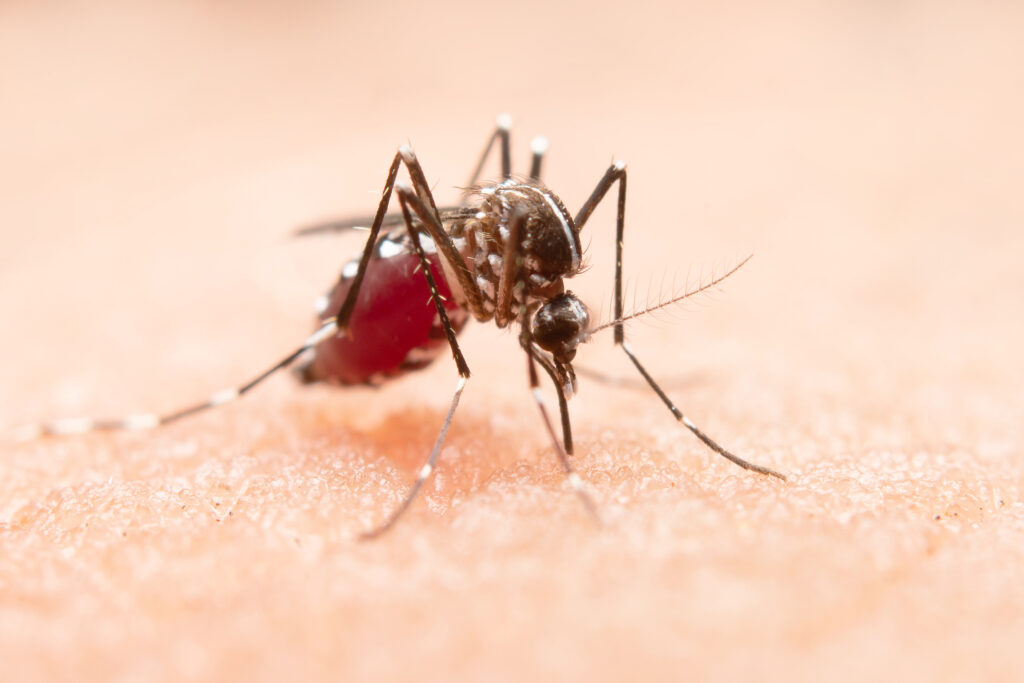
Dengue fever is a viral fever or infection that is caused by a mosquito bite. These mosquitoes often carry one of the four kinds of dengue viruses. While the condition isn’t contagious, it can be deadly if left untreated. Dengue symptoms include fever, headache, joint and muscle pain, rashes, nausea, and feelings of fatigue. In mild cases, the infection and its symptoms go away on their own. However, a certain deadly form of dengue, also known as dengue haemorrhagic fever, causes major symptoms such as bleeding, lowered blood pressure, and so on. Individuals infected with this condition need to get appropriate and timely treatment, as the consequences can be life-threatening.
What Are the Common Signs and Symptoms of Dengue Fever?
Studies show that dengue symptoms appear 4-10 days after being bitten by a mosquito and last for up to a week or more, depending on their severity. While some develop high fever, rashes, and display signs of fatigue, there are also cases in which people experience no symptoms at all. Listed below are some of the commonly known signs and symptoms of dengue fever:
- High Fever: Sudden fever spike, going up to 104°F.
- Rashes: These do not appear instantly, but rather a couple of days after the fever. Rashes often begin on the chest and then spread throughout the body.
- Nausea: In some cases, people experience gastrointestinal symptoms such as vomiting and nausea.
- Headaches: Along with high fever, severe headaches are also a common symptom of dengue fever.
- Muscle Pain: Due to the unbearable muscle and joint pain experienced by most dengue patients, the condition is also known as the “breakbone fever.”
- Fatigue: Bodily weakness and tiredness are also common signs of dengue fever. Some people may even find it difficult to get out of their beds due to the extreme level of exhaustion caused by the condition.
Symptoms of Severe Dengue
As mentioned above, severe cases of dengue, such as haemorrhagic fever or dengue shock syndrome, cause intense symptoms such as:
- Bleeding: Frequent and severe bleeding from the gums, nose, and even under the skin.
- Abdominal Pain: Some may experience persistent and excruciating pain in the stomach area.
- Continuous Vomiting: Persistent vomiting that sometimes may also be accompanied by blood.
- Rapid Breathing: In some cases, affected individuals may show signs of laboured or rapid breathing due to fluid buildup in the chest.
- Restlessness: Signs of irritability, change in behaviour, etc., are highly common.
How is Dengue Fever Diagnosed?
Like most diseases and infections, dengue fever is diagnosed through a blood test. There are specific tests that your healthcare provider might ask you to undergo to identify the type of dengue virus infecting your body, as well as its severity. Apart from this, your medical history, current symptoms, and even your recent travel history may be inquired about.
How is Dengue Fever Treated?
While dengue fever is considered to be a severe illness, there aren’t any set cures or medications specifically meant for it. However, there are a couple of other treatment strategies and supportive measures that help alleviate the symptoms and prevent further complications. Some of them are as follows:
Supportive Care
The primary focus of dengue treatment is to manage and alleviate its symptoms as quickly as possible. Some of the methods that help include:
- Appropriate Fluid Management: Drinking sufficient water is crucial, especially in cases where patients experience continuous vomiting. Dehydration can worsen the condition. Doctors may perform a thorough check and, based on the severity of your condition and its symptoms, they might recommend Oral Rehydration Salts (ORS) to ensure appropriate fluid levels in the body.
- Rest: As in most cases, individuals experience feelings of fatigue and tiredness; getting sufficient rest is highly recommended.
- Medications for Pain Management: Depending on the severity of the pain experienced in the joints and the muscles, doctors may recommend certain medications to manage it.
Timely Monitoring
Accurate and close monitoring of temperature, blood pressure, etc., is crucial. It helps your healthcare provider to detect any signs of complications, thereby preventing further issues even before they arise.
Blood Transfusion
This may be needed only in severe cases, such as dengue hemorrhagic fever, in which the body undergoes severe blood loss. It helps maintain appropriate blood pressure by replacing lost blood.
Prevention Tips
Mosquitoes, especially those carrying the dengue virus, are the main cause of the condition. One of the major ways of preventing the virus involves protecting yourself from mosquito bites. Some common measures include:
- Using mosquito repellent.
- Eliminating mosquito breeding areas.
- Wearing loose-fitting, long-sleeved clothing.
- Installing window and door screens to prevent mosquitoes from entering the house.
Conclusion
If you’ve suffered from dengue fever before or know of someone who has, you may be well aware of the problems and challenges it brings into your daily life. Therefore, being well-informed and taking the necessary precautions is extremely important. Early diagnosis and timely dengue treatment not only help cure the condition quicker but also prevent it from further advancing into more severe complications. Your health is your priority, so stay alert and seek immediate help if you ever notice signs of dengue fever.